A Turning Point in the March Toward Destiny
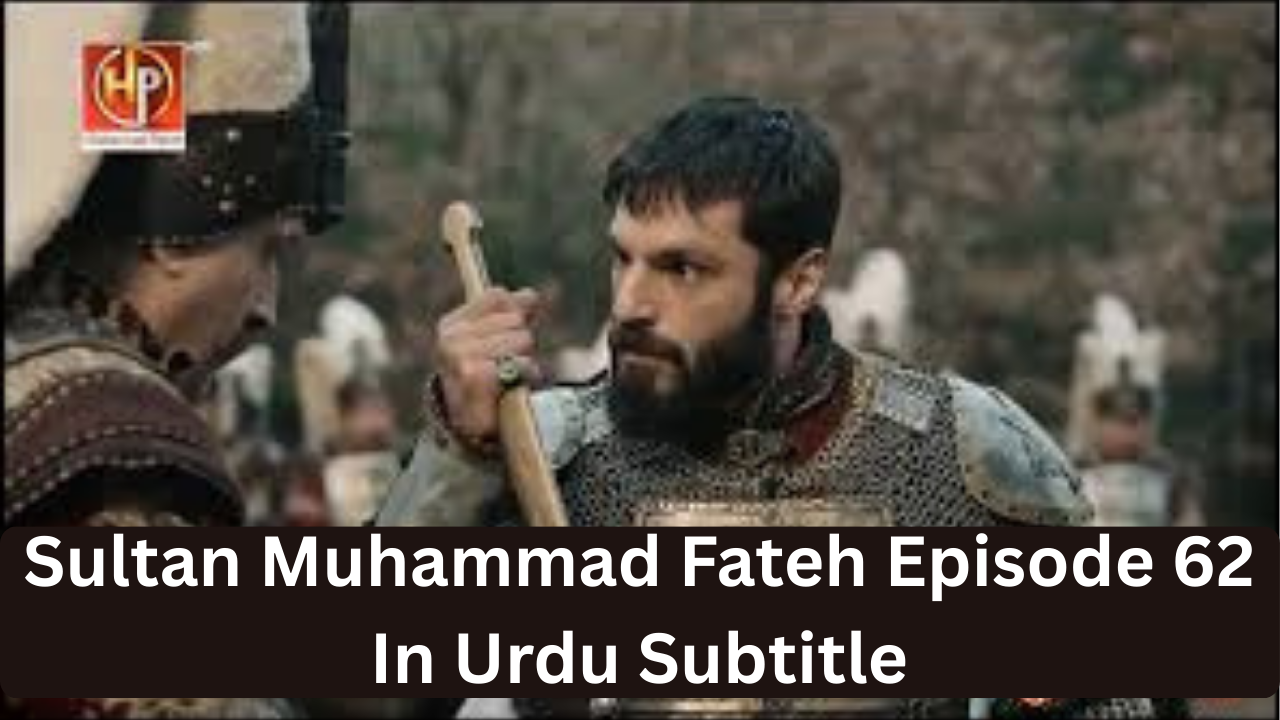
Sultan Muhammad Fateh Episode 62 elevates the intensity of the series to new heights, presenting a compelling blend of political intrigue, emotional depth, and calculated military strategy. Rather than rushing into large-scale warfare, the episode very carefully builds its momentum through internal conflict and psychological tension. It marks a decisive phase in Sultan Mehmed’s journey—one where patience begins to transform into deliberate action, and hidden enemies slowly step into the light.
This installment reinforces a powerful theme: empires are not only tested on battlefields but also within palace walls. Episode 62 demonstrates that the most dangerous wars are often fought in silence, through loyalty, intelligence, and timing.
A Growing Storm Within the Ottoman Court
The episode opens with an atmosphere of urgency spreading throughout the imperial palace. What were once suspicions are now undeniable realities. Reports confirm that secret communications have been exchanged between certain Ottoman officials and foreign powers. The betrayal Sultan Mehmed feared has already begun to corrode the foundation of trust inside the state.
Yet, what distinguishes Mehmed in this moment is his restraint. He does not react with visible anger or immediate punishment. Instead, he absorbs the information calmly, understanding that a ruler’s greatest weapon is control. His silence unsettles both allies and conspirators alike. Episode 62 carefully portrays his awareness that acting too quickly could create chaos, while waiting too long could allow treachery to spread.
The palace scenes are layered with tension. Conversations carry double meanings, and even loyal advisors begin to question who can be trusted. The uncertainty transforms the court into a silent battlefield.
The Emotional Burden of Command
One of the most powerful aspects of Episode 62 is its exploration of Sultan Mehmed’s inner world. Away from the council chambers and military gatherings, he is shown in moments of deep reflection. These scenes humanize the conqueror, revealing the emotional cost of true leadership.
Mehmed does not doubt his mission or faith; rather, he wrestles with the painful realization that those closest to him may not share his loyalty. The weight of safeguarding an empire rests heavily on his own shoulders. The episode highlights that true leadership demands sacrifice—not only of comfort, but sometimes of personal relationships.
In discussions with his most trusted advisors, Mehmed makes it clear that the stability of the state must come before individual bonds. His maturity and discipline stand in sharp contrast to the fear and ambition brewing among conspirators. These quiet yet powerful moments deepen the audience’s understanding of his character as a ruler shaped by responsibility.
Enemies Beyond the Borders
While internal tensions rise, external threats grow stronger as well. European powers, increasingly alarmed by Ottoman expansion, begin coordinating their responses. Diplomatic envoys arrive with carefully worded messages of negotiation, yet their promises feel hollow. Beneath the surface, preparations for resistance are clearly underway.
Episode 62 skillfully portrays the fragile balance between diplomacy and deception. Mehmed understands that peace proposals may conceal strategic delays. He listens respectfully but remains vigilant, recognizing that political alliances can shift overnight.
The interplay between foreign ambassadors and Ottoman officials adds another dimension of suspense. Every handshake carries suspicion, and every agreement feels temporary. The empire stands surrounded not only by armies but by calculated political maneuvering.
Princes Bayezid and Cem: Seeds of the Future
A notable development in Episode 62 is the expanded focus on Prince Bayezid and Prince Cem. Their growing involvement reflects the future of the Ottoman dynasty and introduces subtle tension regarding succession and responsibility.
Bayezid continues to demonstrate discipline and composure, aligning himself closely with the principles of statecraft. His actions suggest a deep understanding of duty and legacy. Cem, on the other hand, reveals a more emotional and impulsive nature. Though intelligent, he appears more susceptible to influence and internal conflict.
The episode does not exaggerate their differences, but rather presents them as natural contrasts in personality. Their interactions are layered with quiet rivalry and unspoken ambition. This nuanced storytelling adds historical depth and foreshadows potential struggles without distracting from the present narrative.
Strategy Before Steel
Midway through the episode, attention shifts toward military readiness. Instead of dramatic combat scenes, viewers witness the meticulous planning that precedes war. Sultan Mehmed gathers his commanders for detailed discussions on intelligence gathering, defensive reinforcements, and calculated offensive positioning.
Large maps cover the council tables as generals debate routes and supply lines. Naval strength, siege preparation, and communication networks are all reviewed with precision. Episode 62 emphasizes that conquest is not achieved through courage alone, but through disciplined organization.
Mehmed personally inspects troops, speaking with soldiers and reinforcing morale. His presence among them strengthens loyalty and unity. The episode subtly conveys that his bond with the army is built not on fear, but on mutual respect and shared purpose.
A Calculated Move Against Treachery
The emotional and political climax of Episode 62 centers on Mehmed’s response to a suspected traitor. Evidence has mounted, yet instead of public humiliation or immediate execution, he chooses a more strategic approach.
In a carefully orchestrated move, he exposes the conspiracy without destabilizing the court. By controlling the narrative and limiting public fallout, Mehmed protects the empire’s image while sending a clear warning to others. This decision showcases his wisdom—justice must be delivered, but in a way that strengthens, rather than weakens, authority.
The reaction among palace officials is mixed. Some feel relief; others grow fearful. The power dynamics shift instantly, and loyalty becomes more visible than ever. This pivotal moment reinforces the theme that leadership requires both firmness and foresight.
A Warning of Open War
As the episode nears its conclusion, the tension expands beyond secrecy. A direct message from opposing forces signals that the next phase of conflict will not remain hidden in coded letters or palace whispers. The enemy is preparing for open confrontation.
The final scenes are charged with determination. Sultan Mehmed addresses his inner circle with calm confidence, emphasizing faith, patience, and unity. His words resonate not as a dramatic declaration, but as a reminder that destiny favors those who remain steadfast.
The closing moments leave viewers with a sense of anticipation. The silent political chess game appears to be ending, and the stage is set for open struggle.
Final Reflections on Episode 62
Sultan Muhammad Fateh Episode 62 stands out as a thoughtfully crafted chapter that strengthens the narrative without rushing into spectacle. It deepens character development while intensifying political suspense. Rather than relying solely on battle scenes, the episode builds power through strategy, emotional weight, and moral complexity.
This installment reinforces why Sultan Mehmed is remembered not merely as a conqueror, but as a visionary leader who understood the delicate balance between justice and authority. His restraint, intelligence, and unwavering discipline define the tone of the episode.